BRIEF US!
Design illuminating activations around the world with us.

THANK YOU FOR YOUR REQUEST
Thank you very much for your interest in EIDETIC MARKETING.
We look forward to working with you.
We will contact you soon.Thanks Again.

THERE WAS A PROBLEM WITH YOUR SUBMISSION.
Have you checked all the required fields?
We want you to write your Company, Name, E-mail, Budget, Country to Execute, Website URL, Wanted Services and Project Description.Thanks.

World Cup Sponsor Guide: Activations and Fan Experiences (SFE & FFF)
January 18, 2026
All About Worldcup Popup Sponsorship (SFE & FFF)
For global brands, the World Cup is defined not only by what happens on the pitch, but by how fans experience the tournament across cities, stadiums, and public spaces.
As the event approaches, another competition begins — one driven by World Cup sponsors competing to create the most memorable fan experiences.
Visibility alone is no longer enough.
Today, becoming a World Cup sponsor means turning sponsorship rights into real-world experiences that fans can enter, engage with, and share.
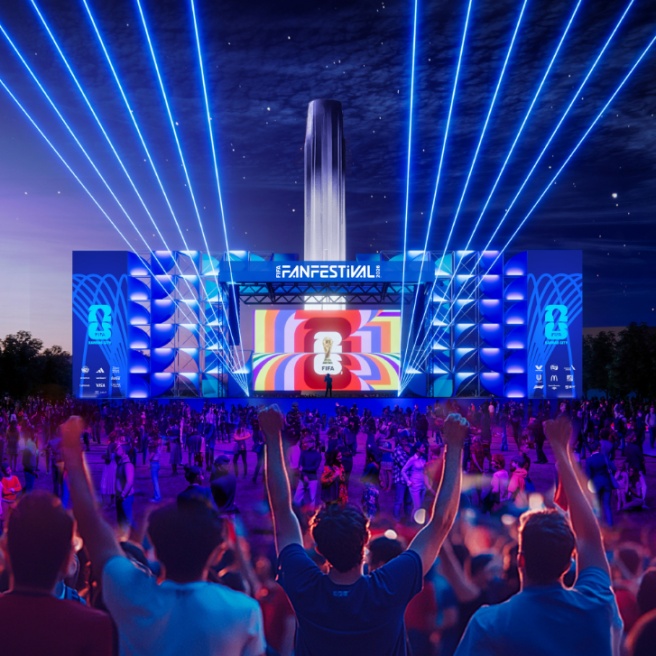
Ahead of the 2026 FIFA World Cup, two activation models have become central to modern sponsor strategy: Stadium Fan Experience (SFE) and FIFA Fan Festival (FFF).
We work with World Cup sponsors such as Hisense to lead SFE and FFF activations, designing popup spaces and fan journeys that go beyond traditional sponsorship exposure.
What Is Stadium Fan Experience (SFE)?
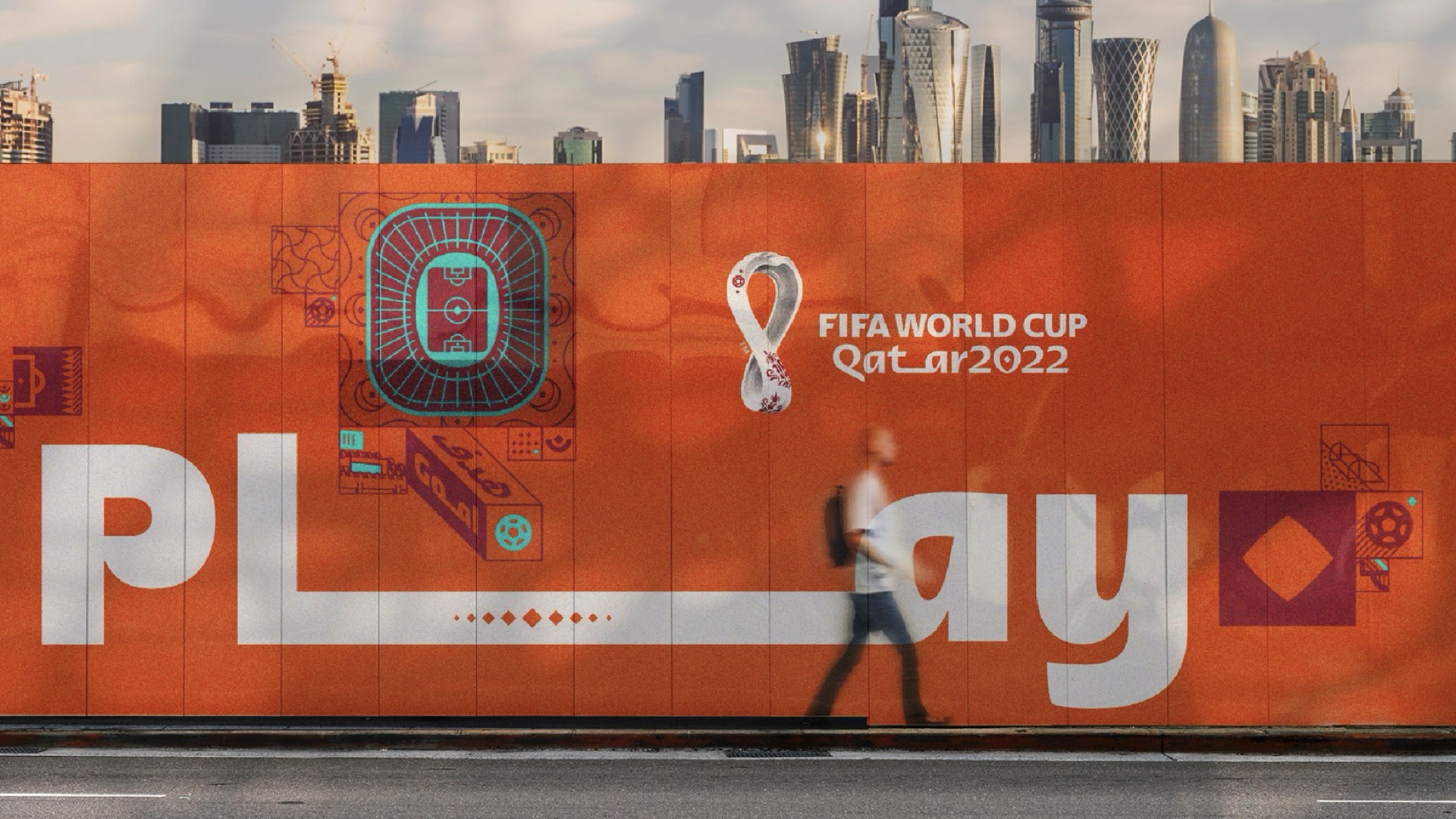
Stadium Fan Experience (SFE) refers to the branded experiences a World Cup sponsor creates in and around the stadium.
While sponsorship once focused on logo placement and media exposure, fans today expect interaction. They want experiences that feel natural to the match-day atmosphere — not disruptive or overly promotional.
Through SFE, we help World Cup sponsors:
- • Design interactive environments near stadiums
- • Integrate products and technology into fan behavior
- • Encourage participation, photo-taking, and social sharing
When executed well, SFE positions the sponsor as part of the live event itself, rather than a backdrop to it.
What Is FIFA Fan Festival (FFF)?
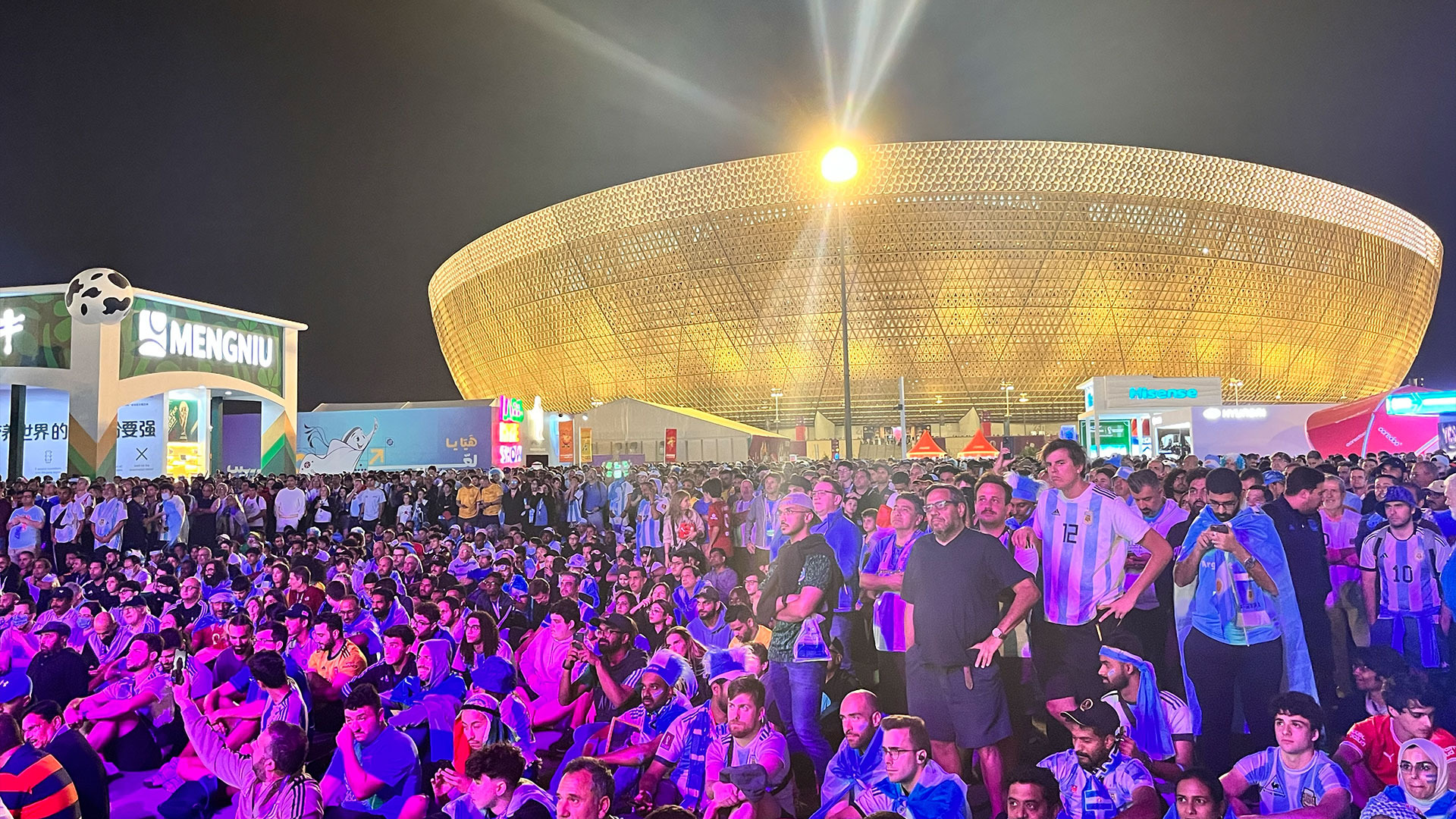
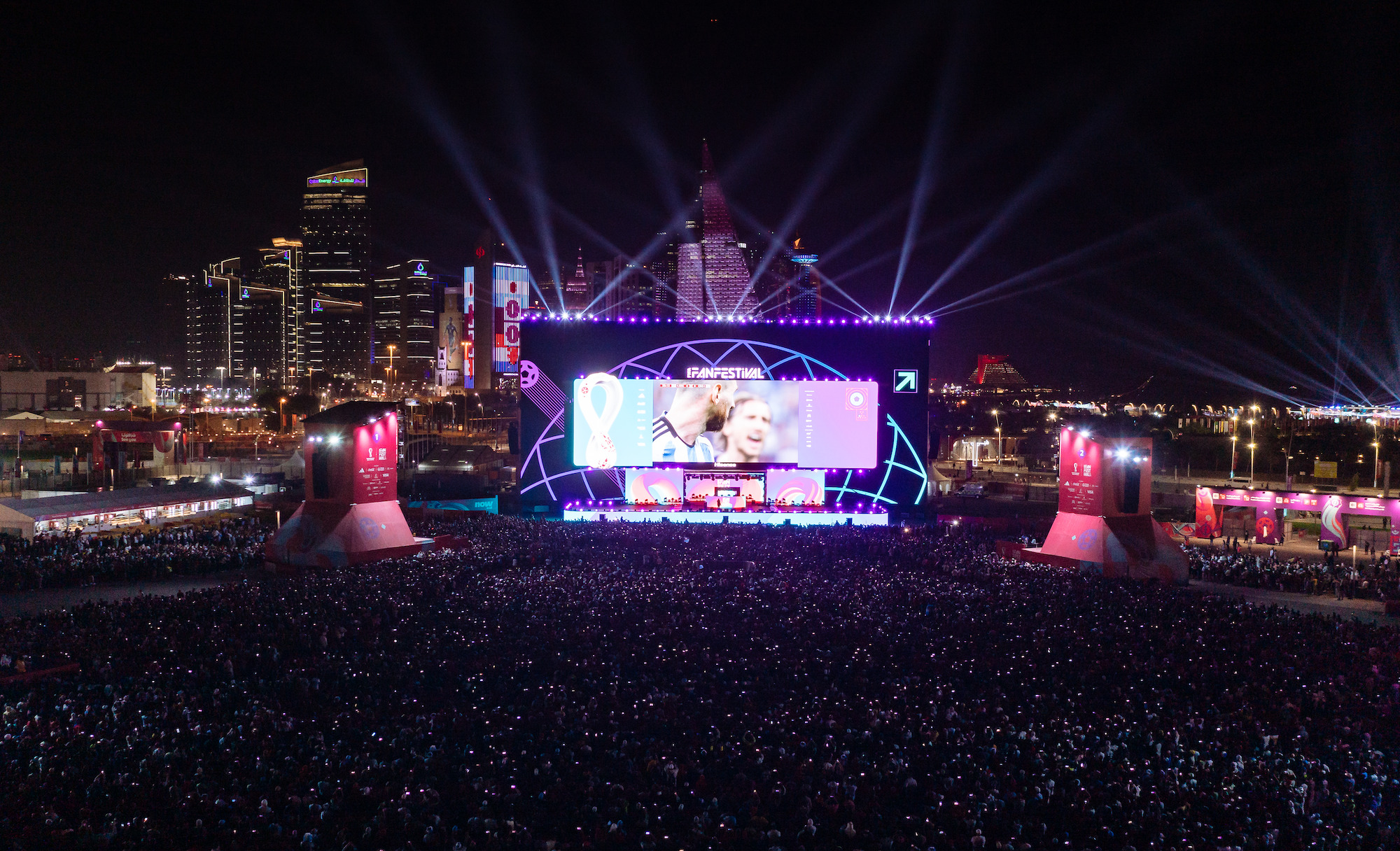
FIFA Fan Festival (FFF) extends the World Cup experience beyond ticketed matches.
Hosted in large public spaces, FFF is designed for fans without stadium access, traveling supporters, and local audiences who want to experience the World Cup together.
A typical FIFA Fan Festival includes:
- • Live match screenings on large-scale displays
- • Entertainment programs such as music and cultural events
- • Sponsor-led activations and interactive zones
For a World Cup sponsor, FFF offers access to massive foot traffic and longer dwell times — often reaching broader audiences than stadium-based activations alone.
FIFA Fan Festival History
How FIFA Fan Festival Originated from Korean Street Cheering
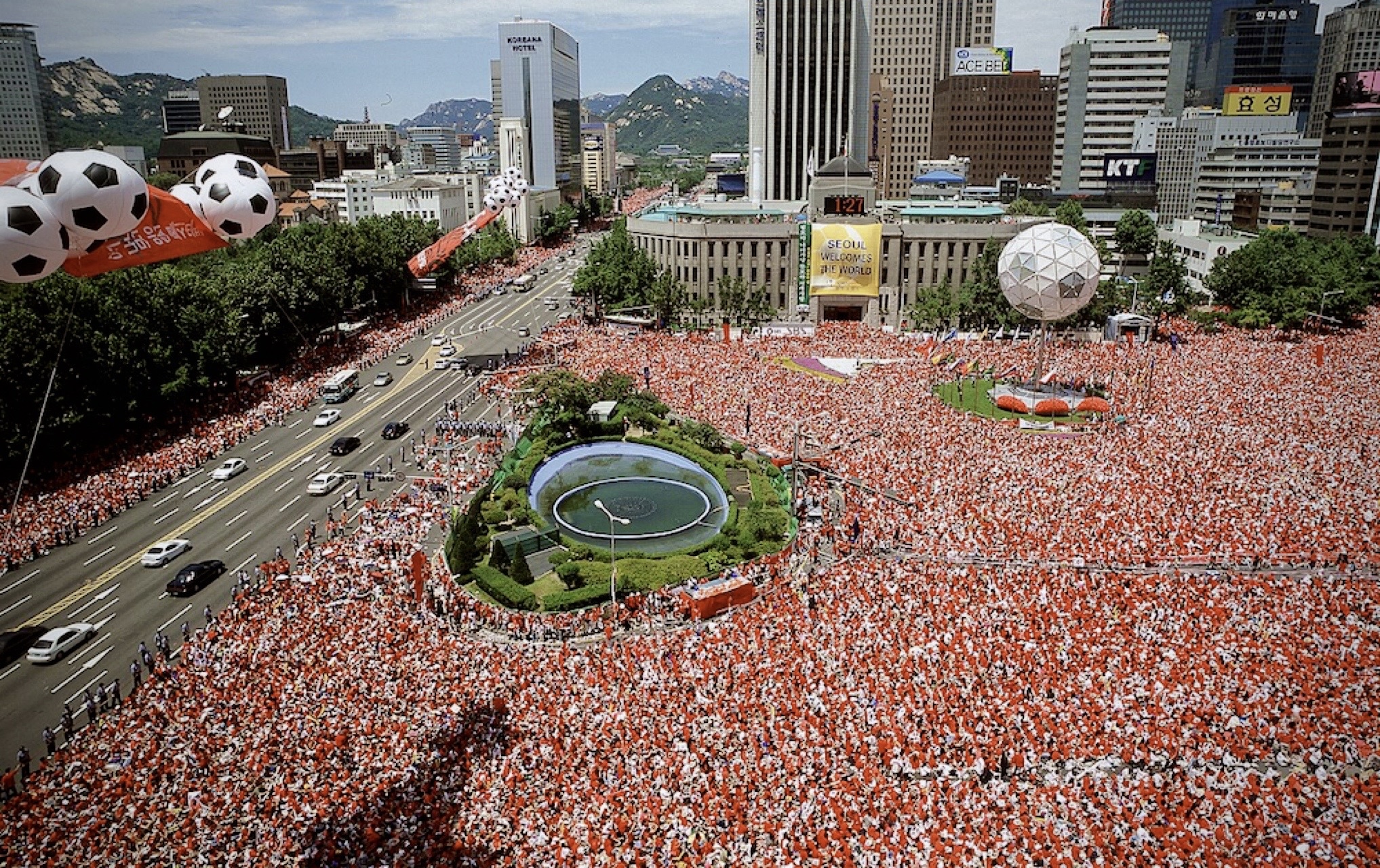
The roots of FIFA Fan Festival can be traced back to Korea’s street cheering culture.
During the 2002 FIFA World Cup, fans across South Korea gathered spontaneously in city squares, parks, and public spaces to watch matches together on outdoor screens. Entire cities turned into shared viewing zones.
This fan-led phenomenon drew global attention. Recognizing the cultural power of public viewing, FIFA introduced the FIFA Fan Festival as an official program at the 2006 World Cup in Germany. Since then, FFF has remained a defining element of the modern World Cup experience.
Source: FIFA INSIDE
How World Cup Sponsors Activate Through SFE & FFF
Activating as a World Cup sponsor requires a different mindset from conventional brand popups.
1. Localization and Co-Branding at a Global Scale
The 2026 World Cup will be hosted across the United States, Mexico, and Canada, making localization a critical success factor.
We help World Cup sponsors deliver a consistent global brand message while adapting experiences to local culture, language, and fan behavior. When localization is done well, sponsor activations feel relevant, immersive, and emotionally engaging.
Co-branding also plays a key role. Sponsor logos often appear alongside FIFA and partner brands, requiring precise alignment in scale, color systems, and tone to clearly communicate official status.
We previously led a Qatar 2022 World Cup x EA Sports co-branding project, integrating multiple brand guidelines into a single global campaign.
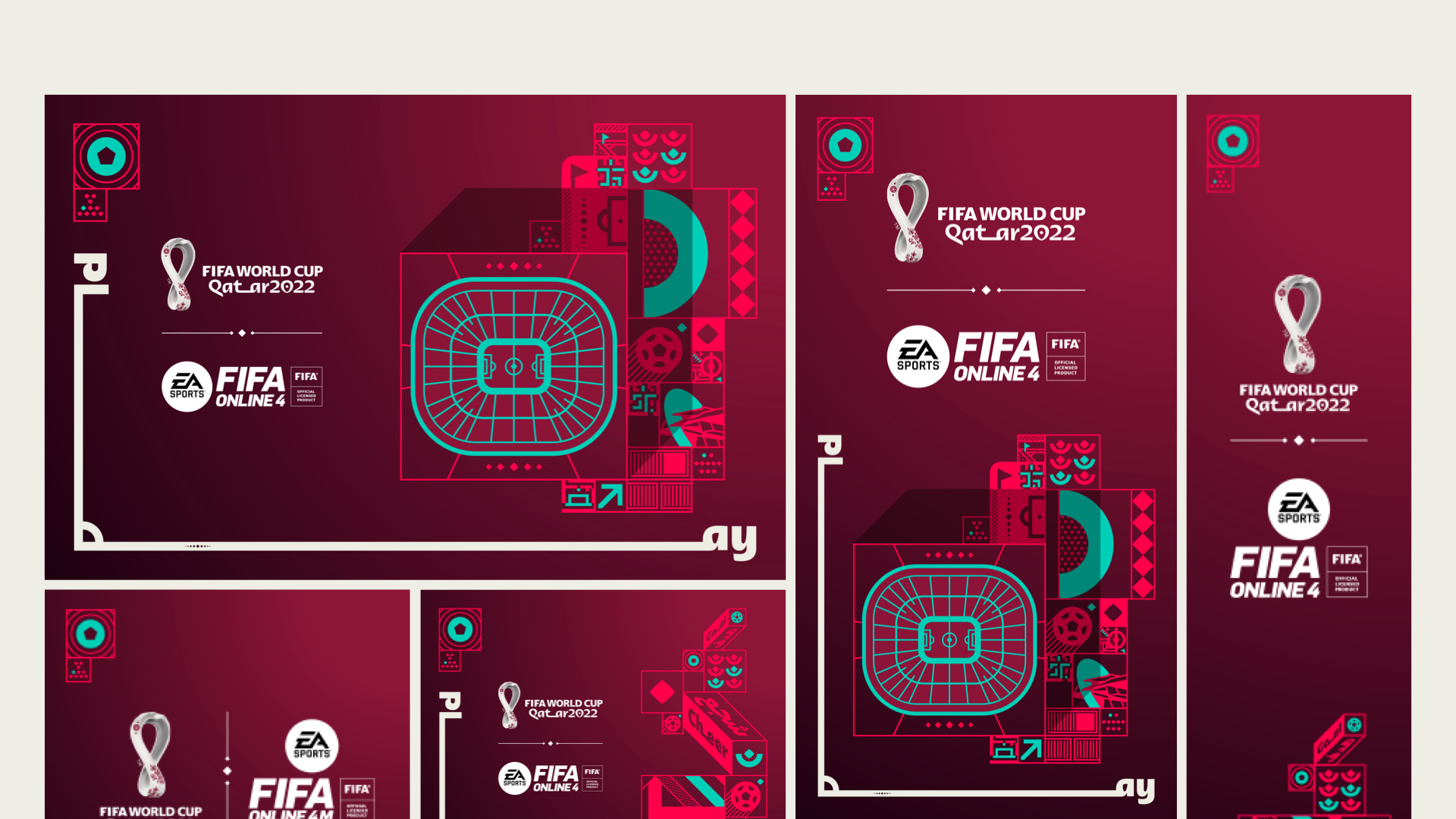
See the EA FC Localization Case.
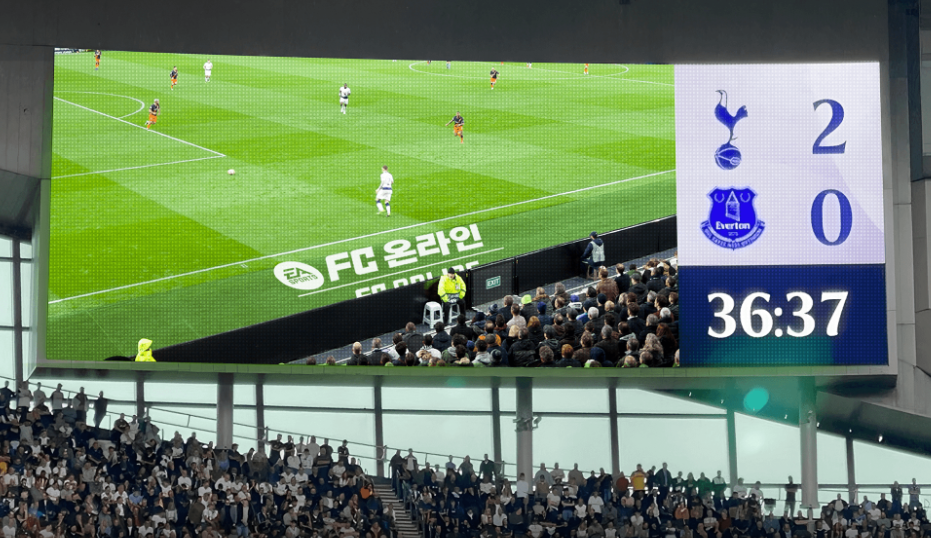
2. Designing Football-Driven Popup Experiences
For a World Cup sponsor, popup spaces should amplify the excitement of football.
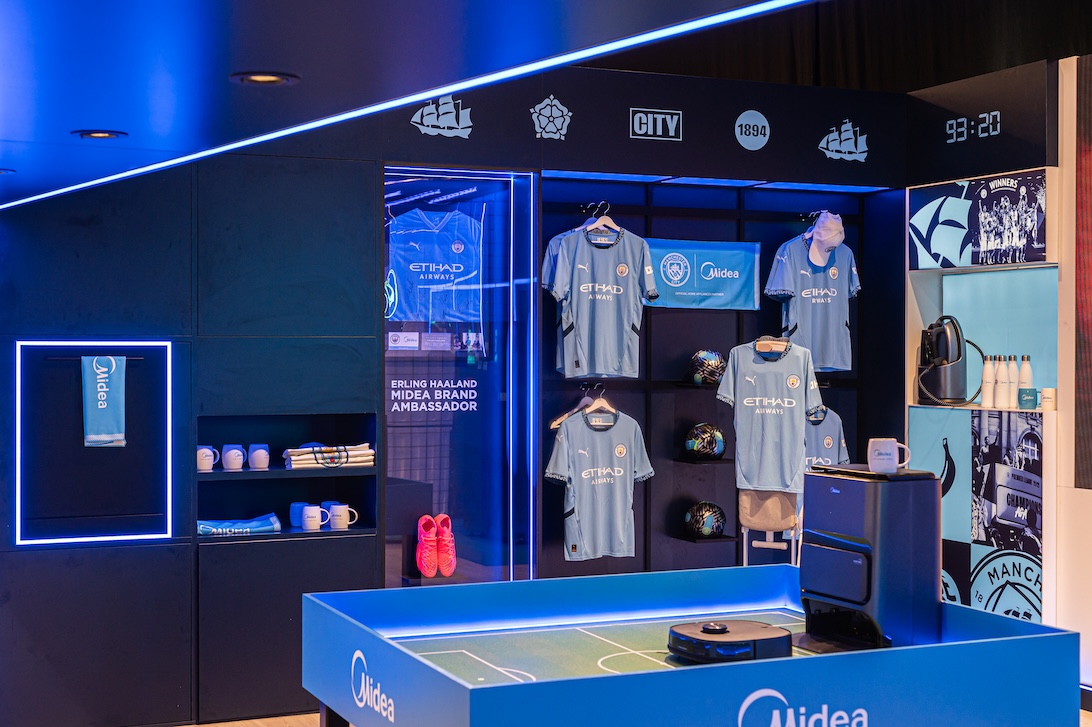
In past activations for brands such as Midea, sponsor of Manchester City FC, we transformed product features into playful football interactions. Washing machines became goalposts, while robot vacuum cleaners moved across a miniature pitch.
By turning products into experiences, fans intuitively understood value without explanation. This approach reflects the core of effective SFE and FFF activation.
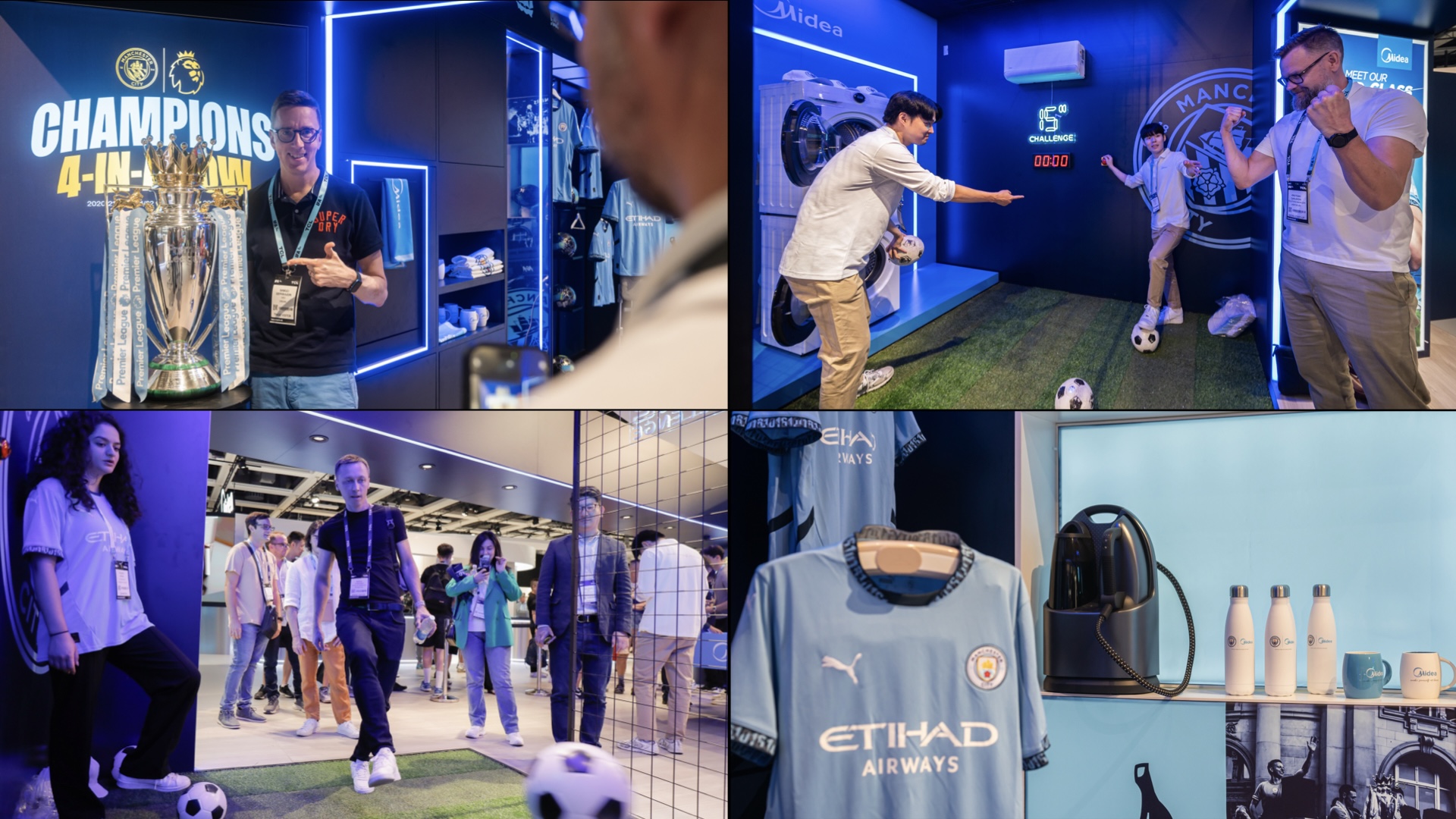
💡 Key Elements of Successful World Cup Sponsor Activations
- • Spatial planning based on stadium and fan movement
- • Environments that reflect World Cup energy and atmosphere
- • Interactive experiences connecting brand technology with football
- • Fan journeys designed for social sharing and organic reach
3. Creating Impact Through OOH Advertising
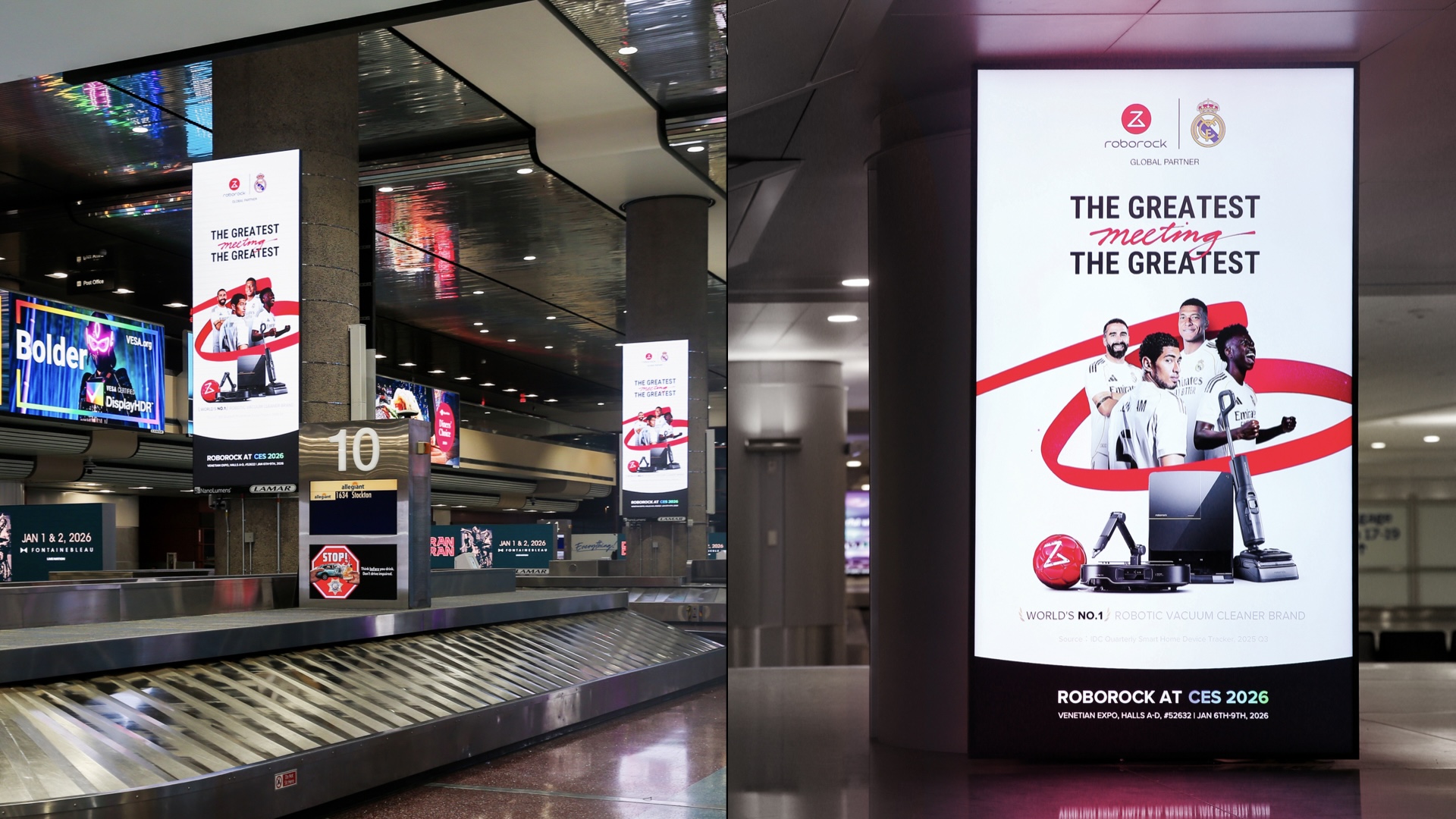
Out-of-home (OOH) advertising plays a critical role in the World Cup sponsor journey.
Placed along routes to stadiums, fan festival zones, airports, and urban landmarks, OOH placements reinforce sponsor presence throughout the fan journey.
💡 To be effective during the World Cup, OOH must:
- • Blend naturally into the World Cup environment
- • Deliver short, high-impact messages
- • Clearly communicate official sponsorship
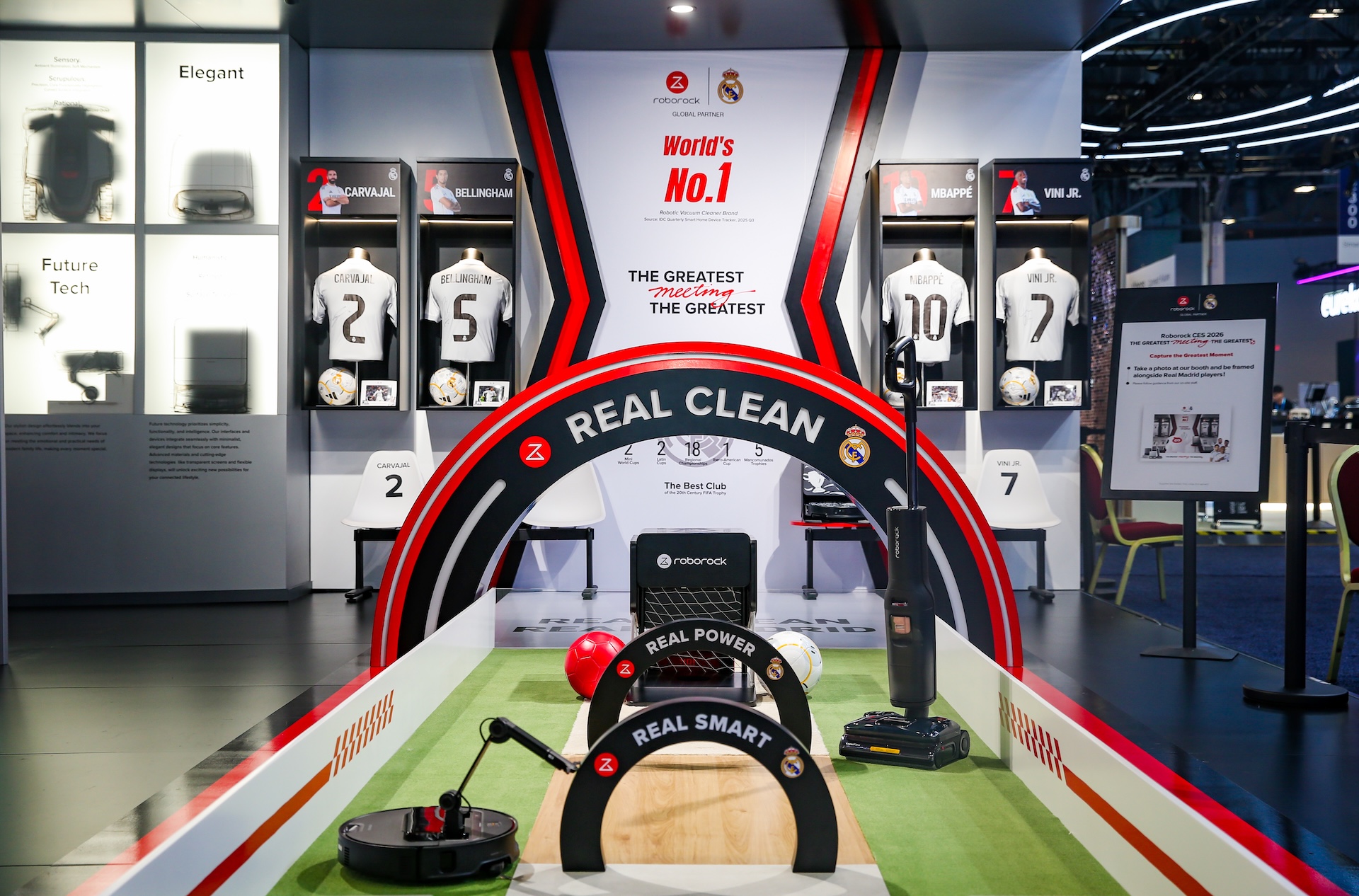
During CES 2026, we led global OOH design for Roborock, highlighting its sponsorship of Real Madrid FC, while also designing football-inspired booth experiences.
We are currently developing global World Cup campaign messaging and OOH content for World Cup sponsors preparing for upcoming tournaments.
4. Long-Term Brand Value Through World Cup Merchandise
Merchandise extends the lifespan of World Cup sponsor activations.
Well-designed items continue to represent the brand long after the tournament ends, becoming everyday touchpoints rather than one-time giveaways. Sports towels, tumblers, folding chairs, string bags, cheering tools, and sponsor badges are particularly effective when usability meets football-driven design.
We design merchandise strategies that encourage participation and emotional connection — ensuring long-term brand impact beyond the event itself.
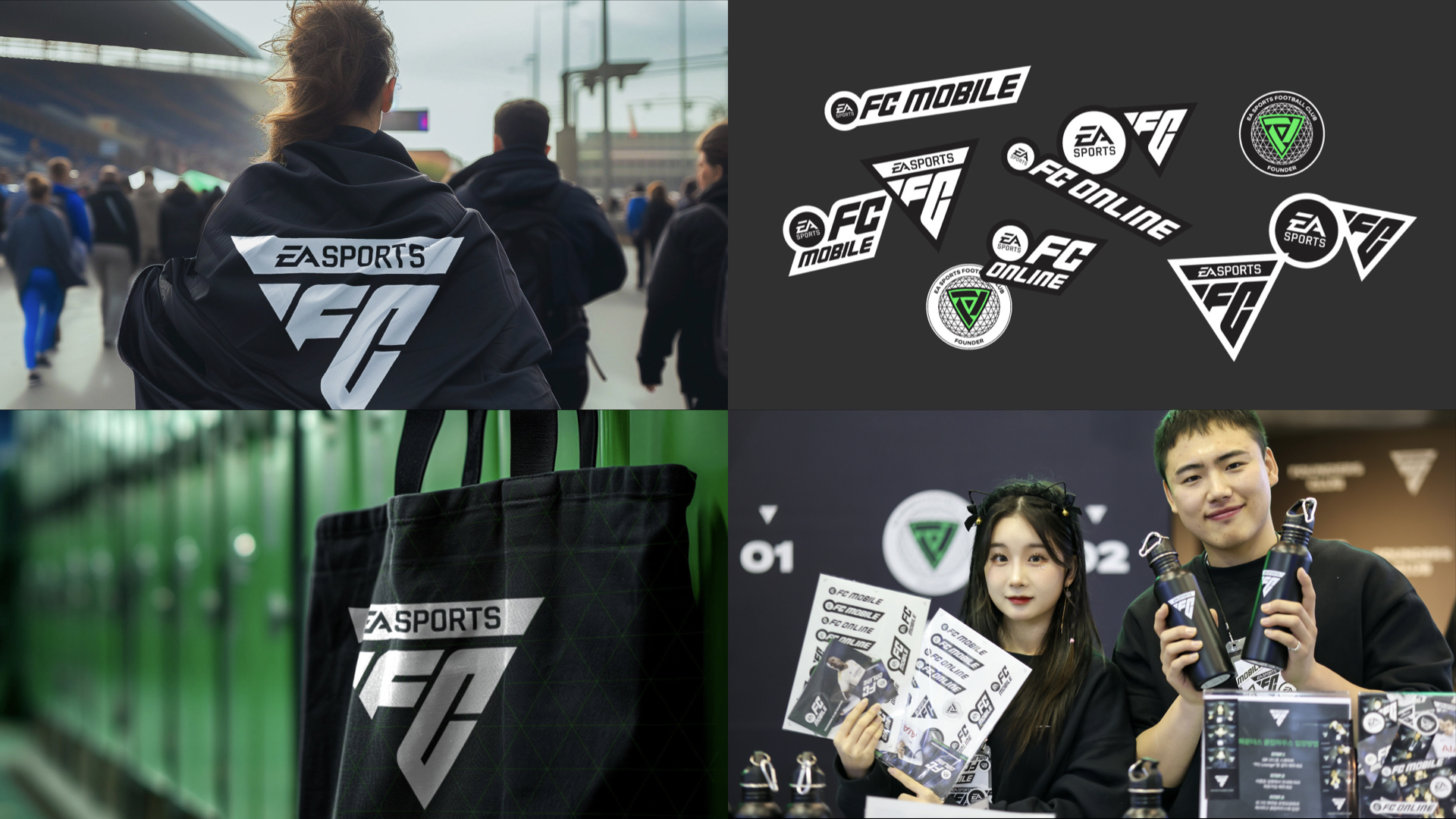
See the EA FC football club booth activation case.
The Role of World Cup Sponsors Has Changed
The World Cup is a global stage experienced simultaneously by audiences worldwide.
For today’s World Cup sponsors, success is no longer defined by presence alone, but by participation. Sponsors must step into the fan journey — across stadiums, cities, and shared spaces.
At EIDETIC, we help brands turn sponsorship into experience through SFE and FFF activations designed to engage, connect, and endure.